
Filing an insurance claim for windshield replacement sounds straightforward until you’re actually in the middle of it.
Suddenly, there are questions about deductibles, preferred shops, premium increases, and coverage types that nobody explained when you signed the policy.
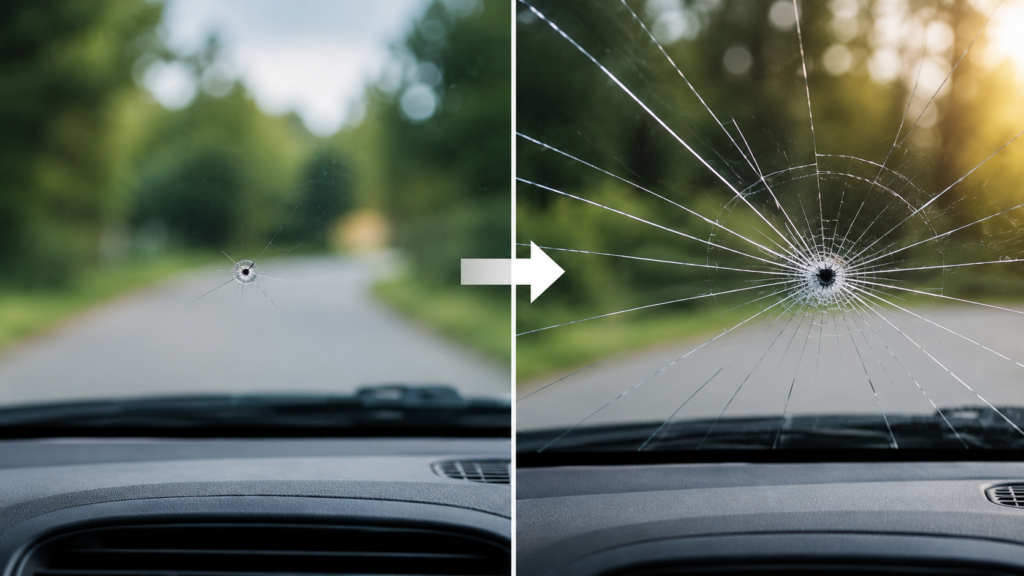
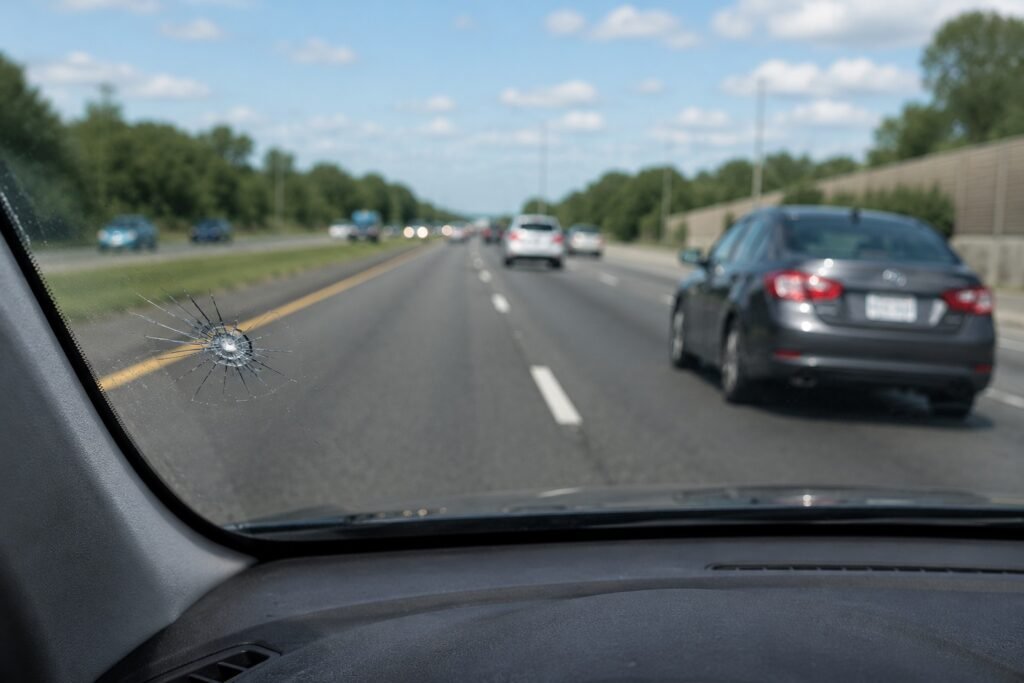
Most Delaware drivers don’t think about any of this until a rock off I-95 puts a crack across their line of sight, and by then, they’re making decisions under pressure without the full picture.
This guide walks through what actually matters when you file a windshield claim in Delaware, so you’re not figuring it out in a parking lot with a cracked windshield and a claims hotline on hold.
First, Understand What Your Policy Actually Covers
Not every auto insurance policy covers windshield damage the same way. Coverage depends on what type of policy you carry and what optional add-ons you selected when you enrolled.
Comprehensive coverage is the policy type that handles windshield damage. It covers losses from events outside a collision: rock strikes, falling debris, hail, vandalism, and similar incidents.
If you carry liability-only coverage, windshield damage falls on you entirely. Many Delaware drivers assume their insurance covers glass and only discover otherwise when they file a claim.
Before you call your insurer, check your declarations page. It lists your coverage types, deductible amounts, and any glass-specific provisions.
Some policies include specific glass coverage or glass endorsements that modify how claims work, including deductible terms. Knowing what you have before the call saves significant confusion during it.
How Deductibles Affect the Decision to File
Your deductible is the amount you pay out of pocket before insurance covers the rest. On a standard comprehensive claim, you pay your deductible first, and your insurer covers the remainder of the repair or replacement cost.
Here’s where it gets practical. If your comprehensive deductible is $500 and the windshield replacement costs $350, filing a claim makes no financial sense. You’d pay the full amount yourself anyway, and the claim goes on your record. In that scenario, paying out of pocket directly costs you less and keeps your claims history clean.
If the replacement cost exceeds your deductible by a meaningful amount, filing a claim starts to make sense financially. A $900 replacement with a $250 deductible means your insurer covers $650. That’s worth the claim in most situations.
The calculation shifts again depending on how your insurer handles glass claims relative to your premium, which leads directly to the next question most Delaware drivers ask.
Zero Deductible Glass Coverage: What It Actually Means
Some policies include what insurers call zero-deductible glass coverage or a full glass endorsement.
This provision means your insurer covers the full cost of windshield repair or replacement without requiring any out-of-pocket payment from you. No deductible, no co-pay, the claim processes, and the work gets done at no direct cost to you.
This differs from a standard glass claim, where your regular comprehensive deductible applies. On a standard claim, you pay your deductible amount first. On a zero-deductible glass claim, that requirement disappears entirely.
Delaware drivers who live near high-debris corridors, routes along I-495, Philadelphia Pike, or heavily trafficked commercial roads, benefit significantly from zero deductible glass coverage.
Rock chips and windshield cracks happen frequently on these roads. Having coverage that removes the financial barrier to prompt repair means small chips get fixed before they spread into full replacements. That protects both the driver and the insurer from higher costs down the line.
If you don’t currently carry zero deductible glass coverage, ask your insurer what it costs to add it. For many drivers, the premium difference is modest relative to the protection it provides.
Will Filing a Windshield Claim Raise Your Premium?
This is the question Delaware drivers ask most often, and the answer depends on your insurer and your specific policy terms.
Generally speaking, a single comprehensive glass claim does not trigger a premium increase the way an at-fault collision claim does. Glass claims fall under comprehensive coverage, which covers events outside your control.
Most insurers treat them differently from collision claims for that reason. However, multiple claims within a short period can affect how your insurer views your risk profile. Filing three glass claims in eighteen months looks different from filing one.
Some insurers also factor comprehensive claims into renewal calculations even if they don’t classify them as surcharge-eligible events.
The practical advice is to check your policy language directly, call your insurer to ask specifically about glass claims and premium impact, and then make your decision with accurate information rather than assumptions.
One thing worth knowing: in some states, insurers cannot raise premiums for comprehensive glass claims at all. Delaware’s specific regulations on this point are worth confirming with your insurer or a licensed agent before you file.
Your Right to Choose Your Own Shop
Insurance companies often push drivers toward their “preferred” or “approved” repair networks. Adjusters mention these networks as if they’re the only option. They aren’t.
Delaware law gives you the right to choose your own auto glass repair shop. Your insurer can recommend a shop, but they cannot legally require you to use one as a condition of coverage. If a claims representative implies otherwise, that’s worth pushing back on directly.
Why does shop choice matter?
Because preferred network shops operate under pricing agreements with insurers that sometimes prioritize cost efficiency over repair quality.
The shop your insurer recommends serves a client relationship with the insurer, not a relationship with you.
Starbright Auto Glass (starbrightautoglass.com) works directly with insurance companies on behalf of their customers throughout Delaware.
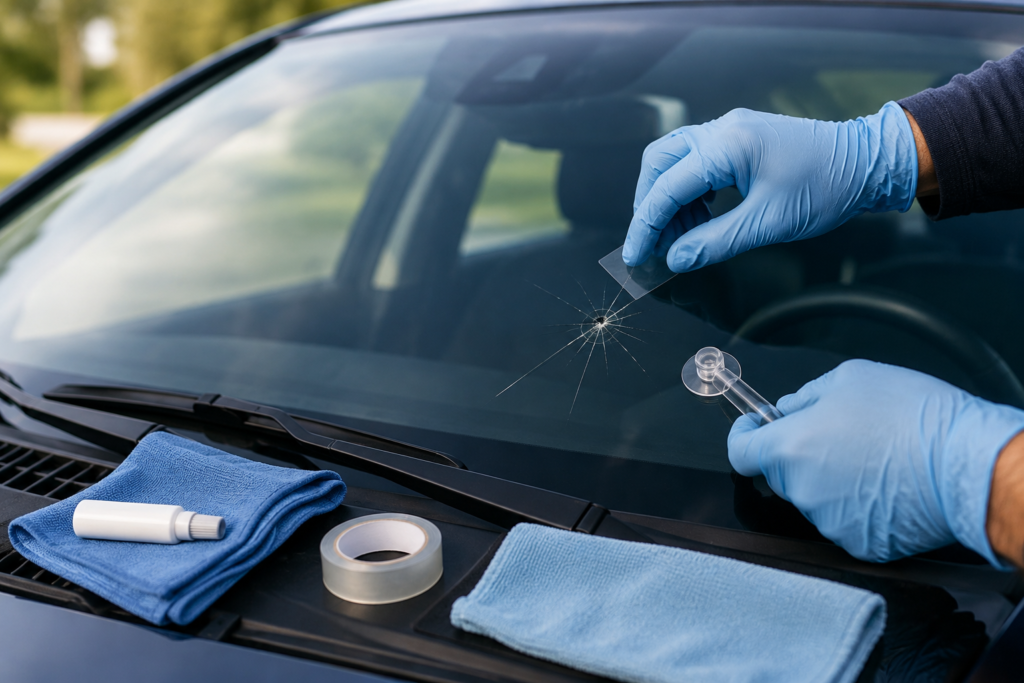
Their team handles the claims process for windshield replacement, communicates with your insurer, and ensures the work meets proper safety standards, without you needing to navigate the paperwork yourself.
Choosing a shop you trust, rather than the one your insurer steers you toward, keeps control of the repair quality in your hands.
Parting Thoughts
Insurance claims for windshield replacement don’t have to be complicated. Understand your coverage before something breaks, know your deductible terms, and remember that you control the shop selection, not your insurer.
A little preparation before the crack appears means you spend less time on hold and more time back on the road.