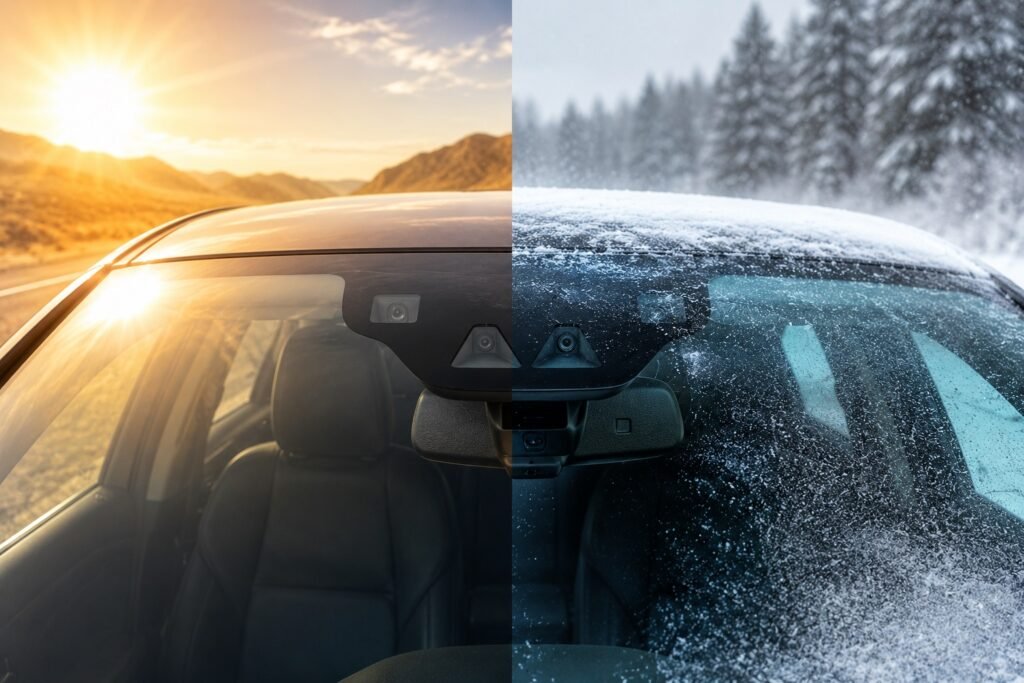
In addition to supporting the roof, the windshield protects the vehicle’s passengers from flying debris, stones, moisture, and other external elements. Furthermore, it acts as a barrier against the harsh, dramatically changing weather of Delaware.
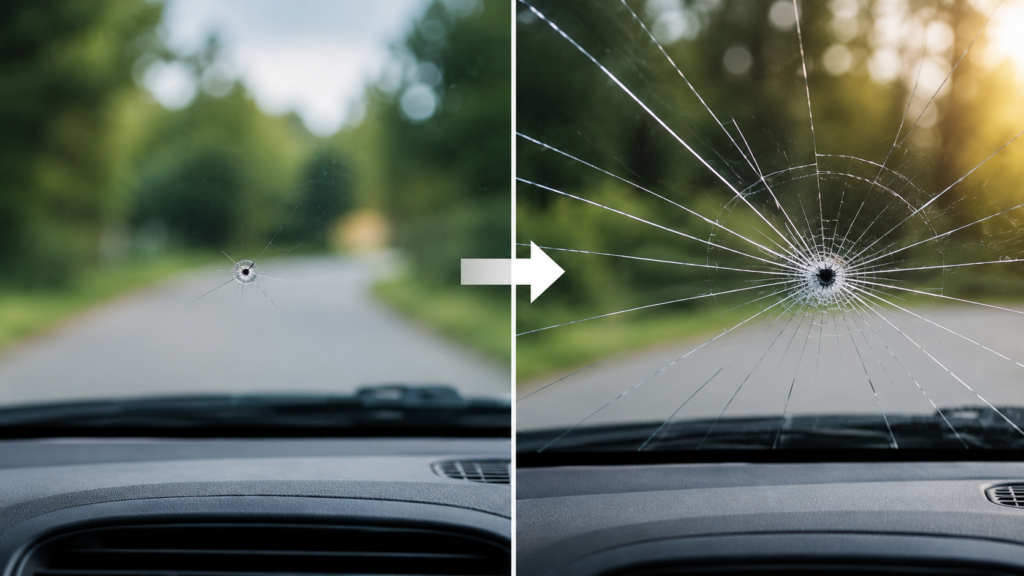
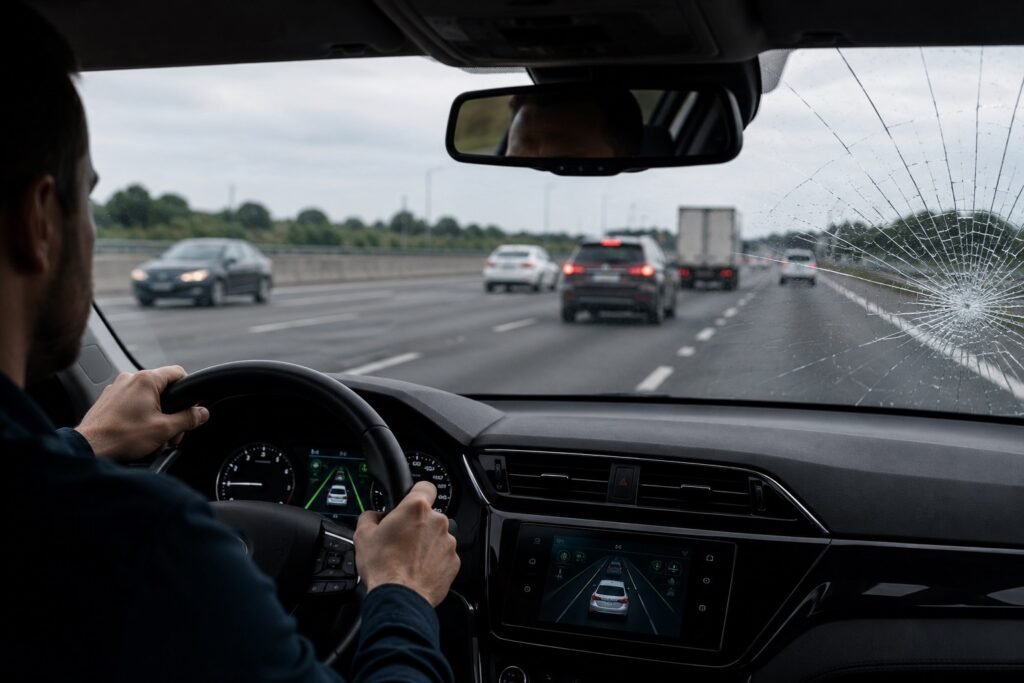
Nonetheless, the front window needs to remain strong and intact to fight against the harsh climatic changes. Hence, it is important not to ignore a tiny crack, chip, or any other hairline damage, as the changing temperatures can spread them into a serious problem.
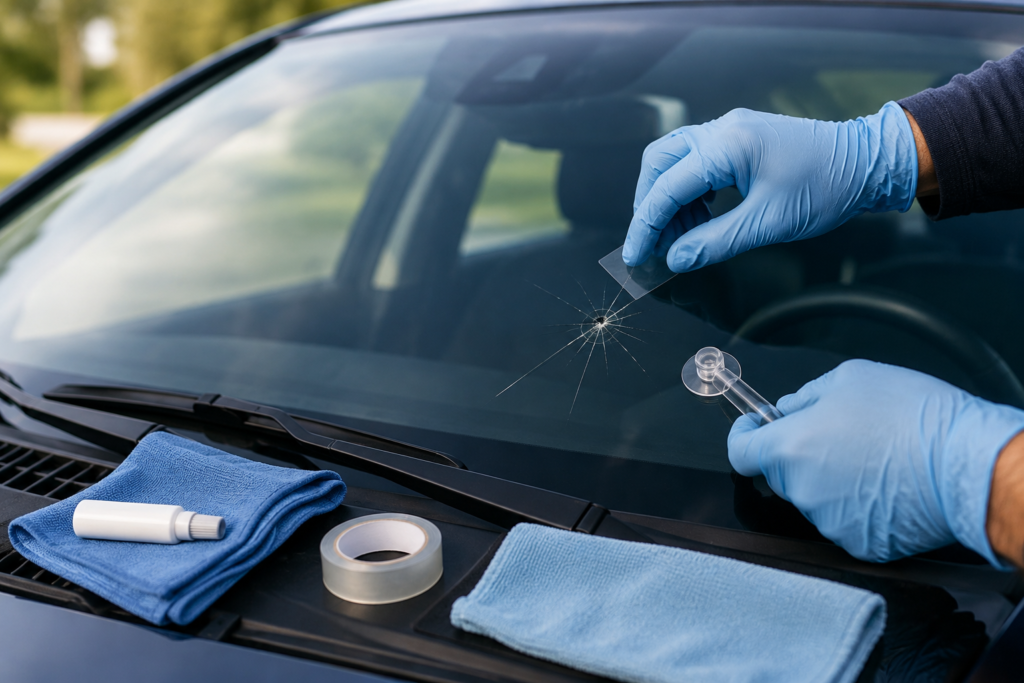
Simple habits, such as regular inspections and scheduling timely windshield replacements or repairs, help tremendously in restoring visibility and safety, while also extending the glass’s life.
In this guide, we will uncover the different problems each season brings and how to protect the windshield in such circumstances.
What is the Relationship Between Delaware Weather and Windshields?
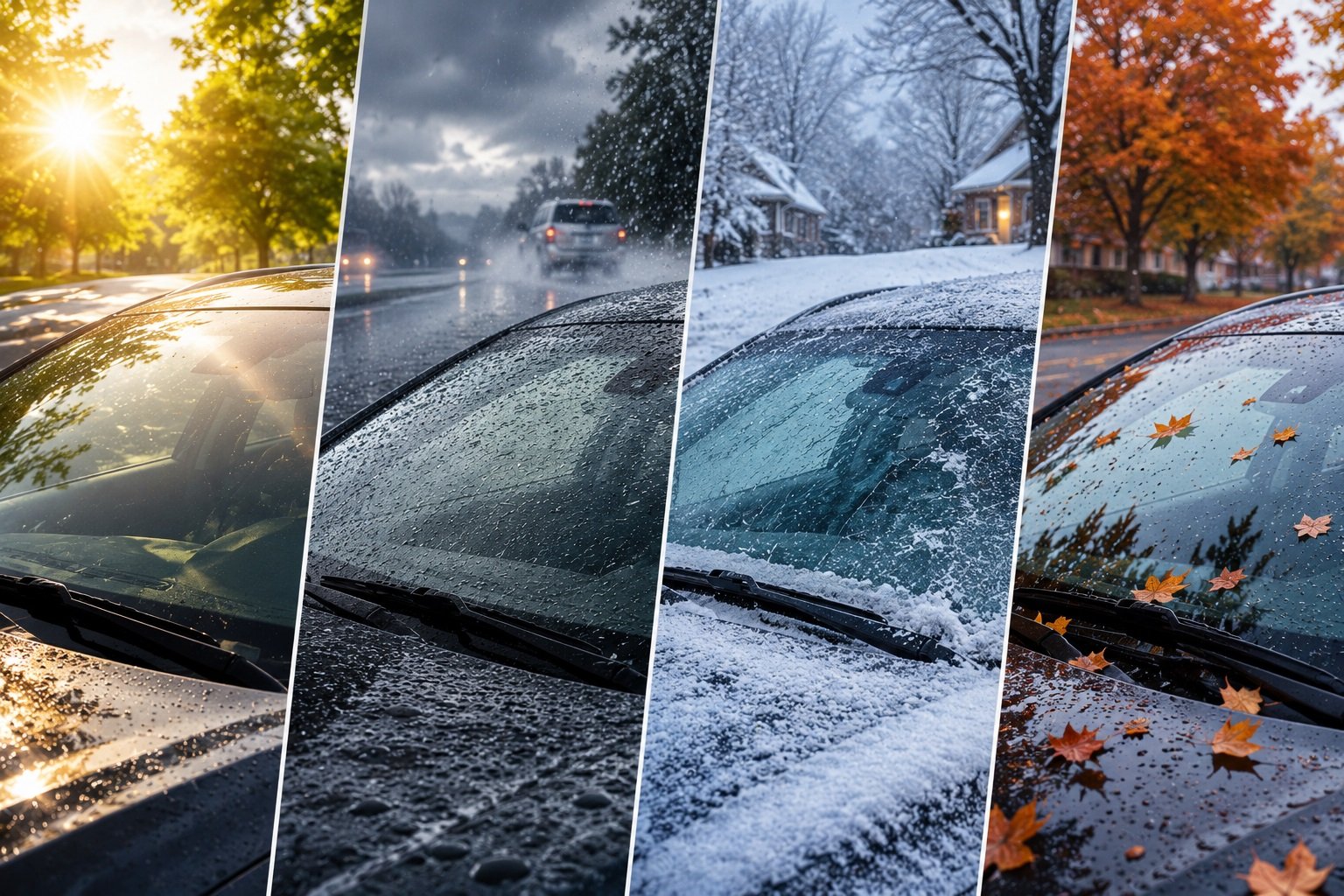
According to sources, Delaware’s weather is extremely unpredictable. You can expect frequent, sudden changes and aftermaths, including:
- Winter snow, ice, road salt, and gravel
- Hot and humid summers
- Coastal storms and salt exposure
- Wind-driven debris and environmental particles
- Frequent indoor and outdoor temperature changes
Consequently, the windshield’s job is to keep the passengers safe in such conditions. However, while performing this responsibility, the glass may contract and expand, or the external hazards may cause cracks, chips, and other defects.
In such situations, the owner may have to schedule a windshield replacement or repair.
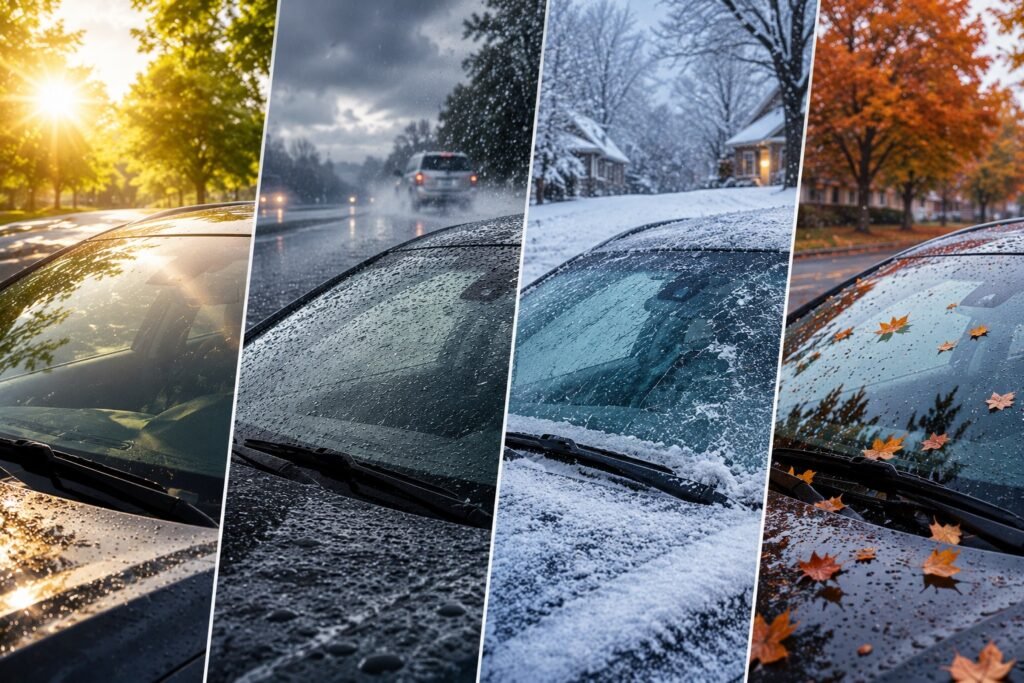
What to Expect in Each Season and How to Protect the Windshield?
Winter Season
Delaware’s winter is considered the harshest and most dangerous season, often leaving windshields at its mercy. Its cold temperature, ice, and sleet are enough to warrant windshield replacement and repair.
Winter Protection Solutions
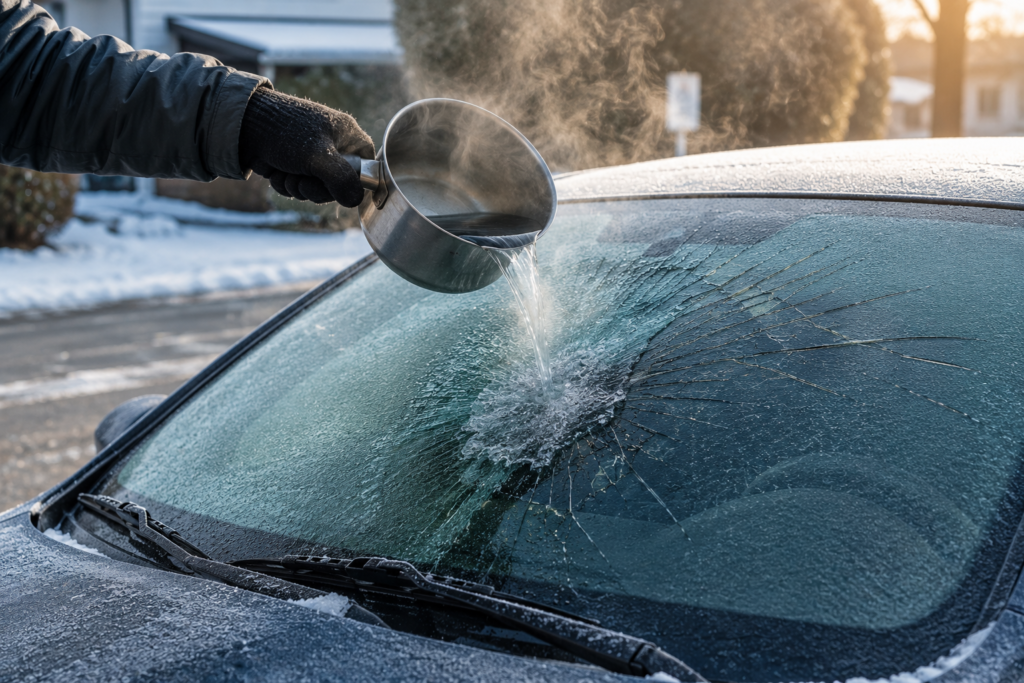
- Avoid Sudden Temperature Changes: The freezing temperatures cause the existing small fracture to spread and widen into a longer, more serious defect. Furthermore, blasting the heater on as soon as starting the car also stresses the windshield. Hence, experts advise starting the defroster on low and gradually increasing the temperature so that the car warms up steadily. Also, drivers should avoid pouring hot water on icy windshields as the glass may crack.
- Cover the Windshield: Understandably, the windshield gathers up frost and ice overnight. Instead of scraping and hitting the glass to thaw the ice, place a windshield cover on the front panel before the weather hits.
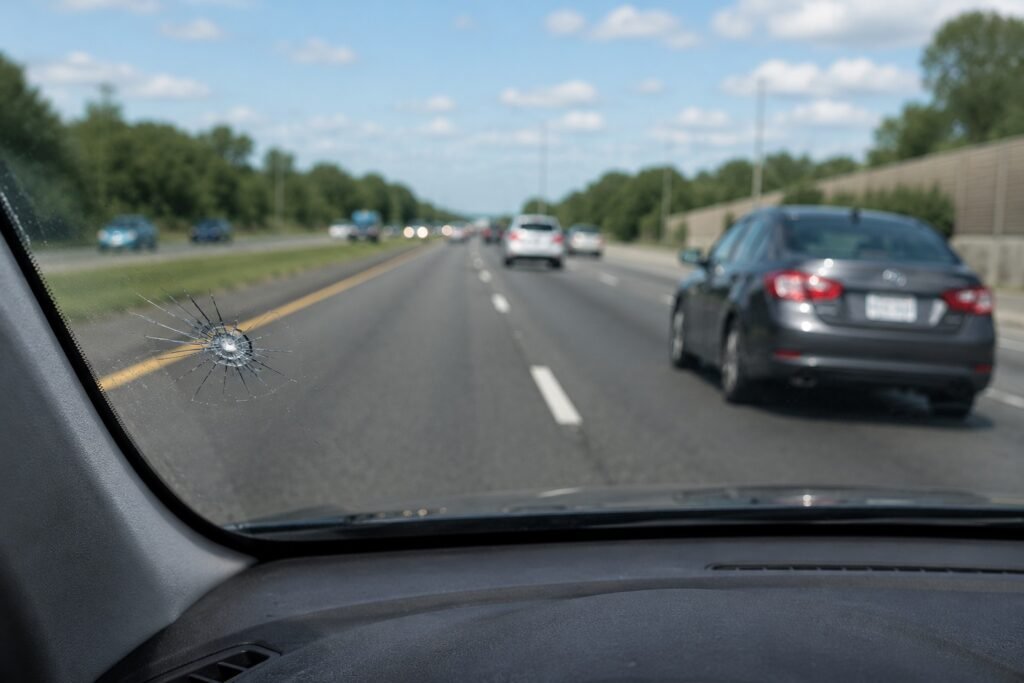
- Keep a Safe Distance from Vehicles: Winter roads are often treated with brine, salt, or sand, and often contain loose gravel. The passing traffic, especially snowplows and trucks, sends rock and road debris flying, which can damage the windshield. Hence, it is best to keep a safe distance from other vehicles.
Spring Weather
Even though spring is a bit milder than winter, drivers need to watch out for strong winds, thunderstorms, pollen, and fluctuating temperatures.
Spring Protection Tips
- Avoid Trees: Parking vehicles under trees during hurricanes or strong winds exposes the windshield to broken tree branches that can shatter the glass. Additionally, sap, falling seed pods, and bird droppings damage the blade and glass coating.
- Clean Off Pollen: Regularly cleaning the laminated panel of pollen or fallen debris helps improve visibility.
- Check Seals and Fluid: A broken seal can no longer prevent water from entering the vehicle. Once moisture builds up from the intrusion, it causes leaks, condensation, and glass deterioration. Furthermore, rain and pollen make it difficult for the driver to see ahead. Hence, experts suggest checking the adhesive seal and using high-quality fluid appropriate for every season.
Summer Heat
If your car needs to sit under the scorching Delaware sun for a longer period of time, this is for you. The summer heat weakens the strength of the panel, hence:
Protection Tips for Scorching Heat
- Park and Cover Properly: Ideally, park your car under some trees or in a shaded parking area. Other than that, choose a garage or an enclosed area to secure your vehicle before a summer storm or during extreme heat.
- Avoid Blasting the Air Conditioning: Your car is already heated up, and cracking the air conditioning to maximum rapidly shifts the temperature, thus shattering the laminated windshield. Hence, first roll down the windows and allow the cabin to cool, then turn the AC on low, then gradually raise it to a higher setting.
- Protect Against UV Rays: Drivers should use protective covering sheets, films, or sunshades to shield the car from UV rays while parking outside.
- Avoid Using Cold Water: Avoid pouring cold water on a hot car as the glass expands and contracts with a sudden temperature shift, making windshield replacement inevitable.
Who is the Best Choice for Windshield Replacement in Delaware?
Starbright Auto Glass will guide you through every season and provide you with the best solutions.
Whether you need a windshield replacement or repair, you can count on our certified team to get your car back on the road. Visit our website https://starbrightautoglass.com/.
Frequently Asked Questions
Can Delaware’s freezing winters cause a small windshield chip to spread?
Yes, the glass shrinks and stretches, causing the existing fracture to expand.
Is it safe to use boiling water to de-ice my windshield during a Claymont snowstorm?
No, the sudden temperature shift can shatter the windshield.
How does the summer humidity in Delaware affect windshield resin repairs?
If the resin is not applied properly or fails to harden, moisture can enter, creating air bubbles and reducing clarity.