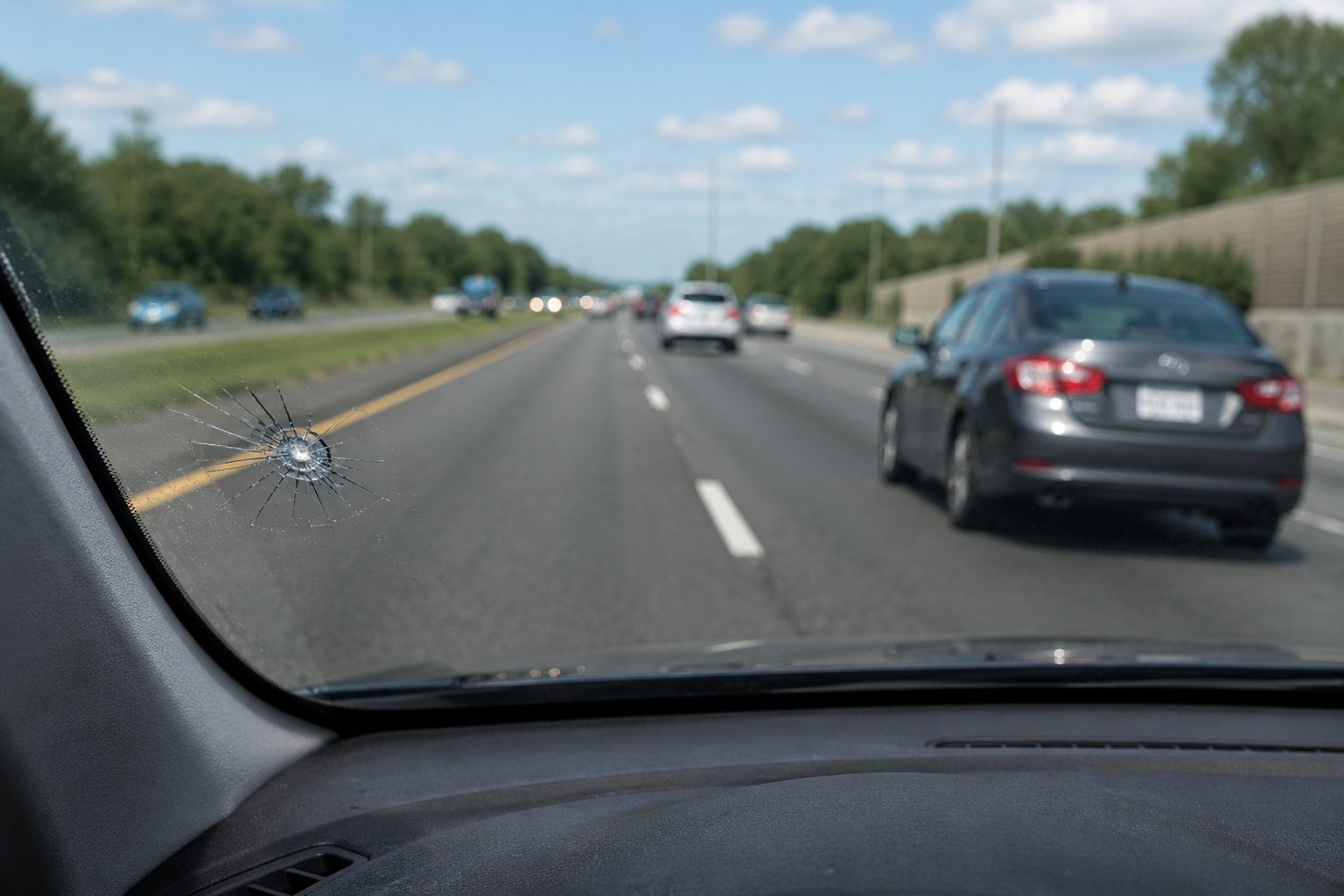
If you drive Philadelphia Pike regularly, you already know the road has a personality of its own.
On a normal day, traffic backs up fast, trucks cut through constantly, and the pavement throws up debris like it has something to prove.
For commuters making this run daily, rock chips on the windshield aren’t a rare inconvenience; they’re practically a seasonal ritual. The good news is that you can do something about it, both before a chip happens and after.
Why Philadelphia Pike Hits Windshields Harder Than Most Roads
Not every road carries the same risk for windshield damage. Philadelphia Pike stands out for a few specific reasons that stack up against drivers every single day.
First, the truck volume is substantial. Commercial vehicles traveling between Wilmington, Philadelphia, and the surrounding industrial zones use Philadelphia Pike as a cut-through.
Routinely, heavy trucks kick up loose gravel, road debris, and broken pavement fragments at a rate that smaller vehicles simply don’t match.
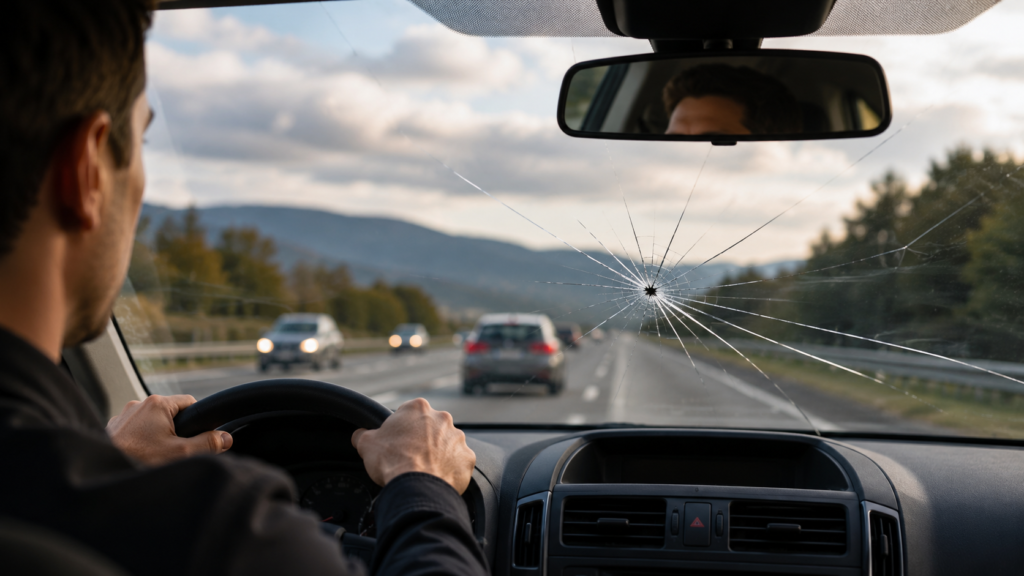
When a truck’s rear wheels catch a piece of gravel at highway speed, that fragment becomes a projectile, and your windshield is often directly in its path.
Second, the road surface itself creates problems. Sections of Philadelphia Pike show wear patterns that generate loose material, especially after a rough winter or a round of road repairs.
Then, the construction zones, which appear frequently along this stretch, add fresh gravel and aggregate that vehicles scatter across lanes before crews can clean it up.
Third, traffic density keeps following distances tight. On a crowded morning commute, drivers can’t always create enough space between themselves and the vehicle ahead.
That gap matters a lot when debris comes flying off a truck or out of a pothole. A longer following distance gives debris more time to lose momentum before it reaches your car.
How to Lower Your Risk on the Daily Commute
You can’t avoid Philadelphia Pike if it’s your route. However, you can make smarter choices that reduce your exposure to rock chips and windshield damage.
Increase your following distance, especially behind trucks. The further back you sit, the less velocity any flying debris carries when it reaches your windshield.
Even adding two or three car lengths can make a meaningful difference. This is especially true on the stretch near the Delaware-Pennsylvania border, where truck traffic tends to cluster.
Move lanes when it’s safe to do so. If a large truck sits directly ahead of you, shifting to an adjacent lane removes you from the debris corridor that forms behind its rear wheels. You don’t need to pass the truck; just break the direct line between its tires and your glass.
Pay attention to road conditions before you leave. After heavy rain, loose material from road shoulders washes across the travel lanes. After a freeze-thaw cycle, chunks of pavement break free and scatter across the road.
These are high-risk windows for windshield damage, and slowing down slightly during these conditions gives your windshield a fighting chance.
Consider windshield protection film if you commute this route every day. Automotive-grade clear film applies directly to the glass and absorbs impact from small debris before it can chip the surface.
It’s an upfront cost, but it pays off for drivers who log significant miles on roads like Philadelphia Pike.
Finally, check your windshield regularly. Small chips often go unnoticed, particularly in the corners or along the lower edge of the glass. Catching them early keeps repair options open and prevents a minor fix from turning into a full windshield replacement.
What Happens When You Ignore a Rock Chip
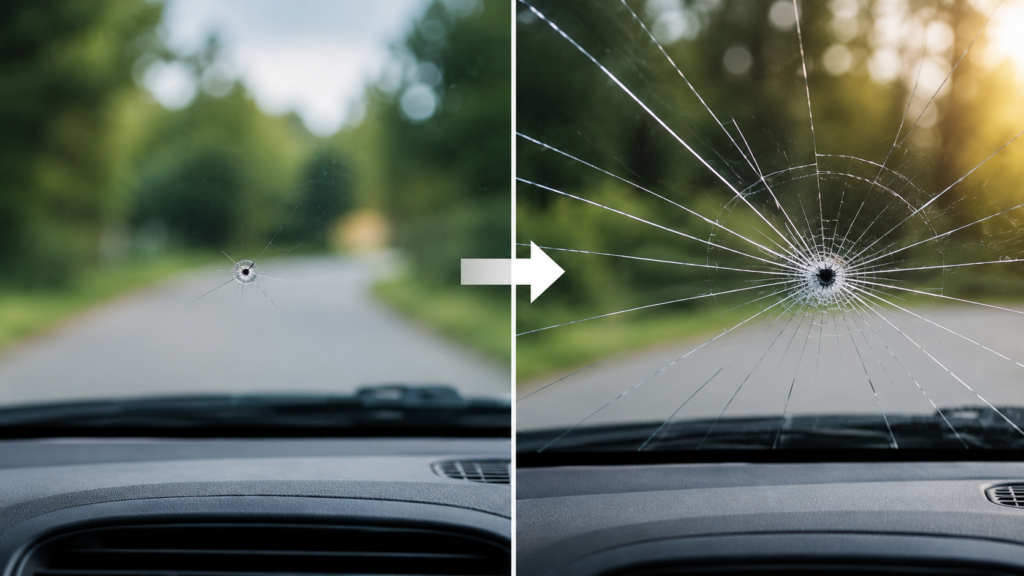
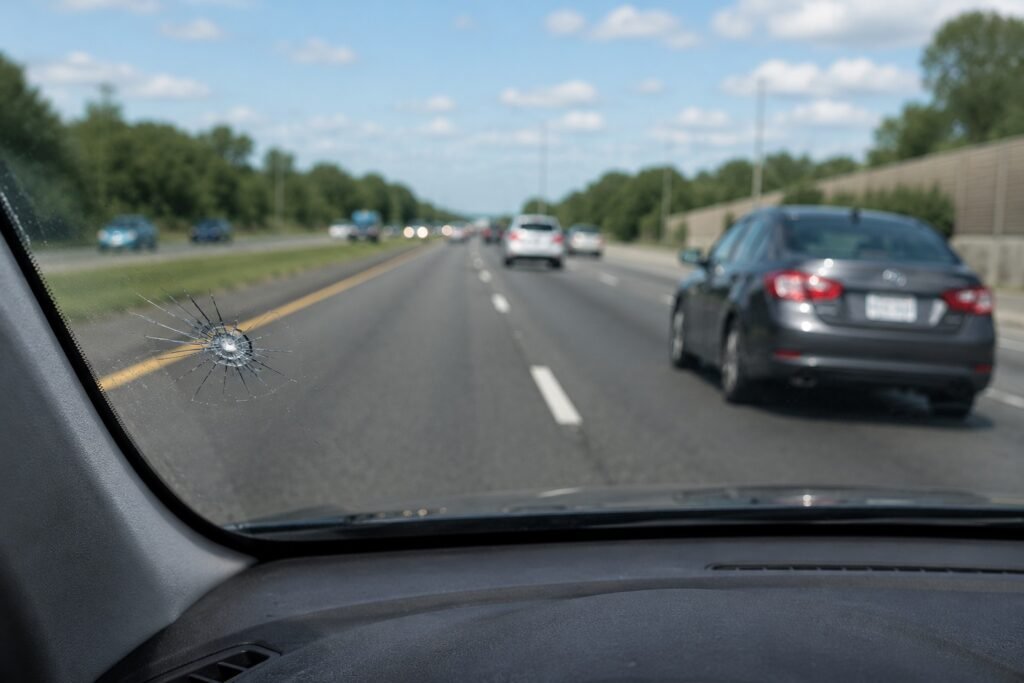
A chip in your windshield might look harmless at first. It’s small, it sits in a corner, and it doesn’t seem to affect your visibility. So, it’s easy to put off dealing with it. That decision usually costs more later.
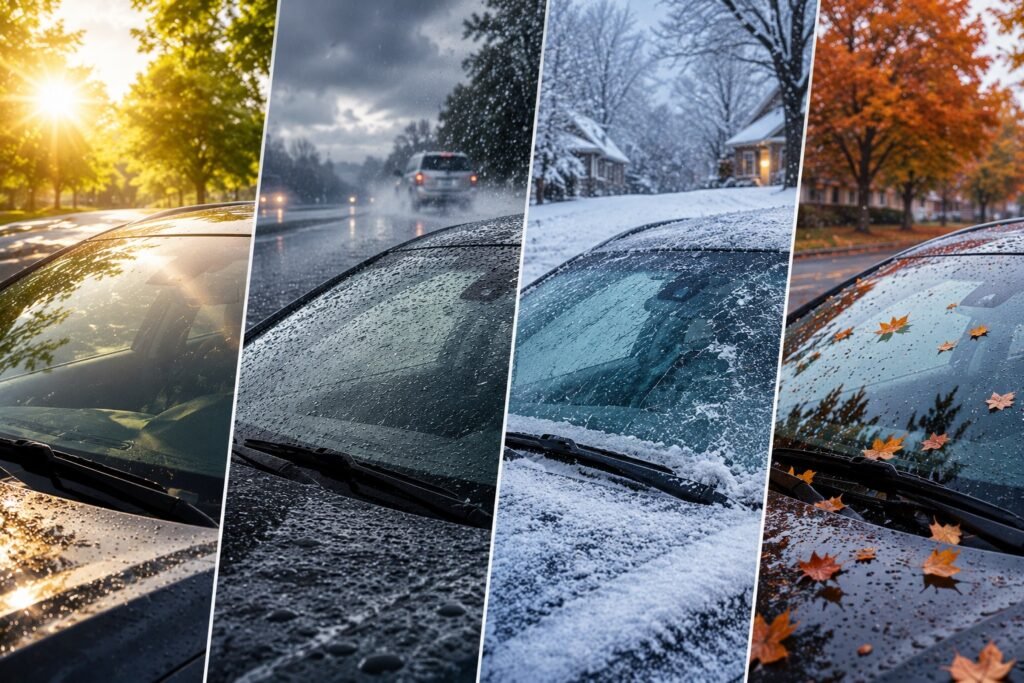
As a matter of fact, rock chips create structural weak points in the glass. Delaware winters push those weak points toward failure quickly. Temperature swings between cold nights and warmer afternoons cause the glass to expand and contract repeatedly.
Each cycle applies stress to the damaged area. Add a stretch of rough road, and Philadelphia Pike provides plenty of those, and the vibration compounds the pressure.
What starts as a dime-sized chip can spread into a crack across the windshield within days. Once a crack crosses a certain length, repair is no longer possible.
At that point, full windshield replacement becomes the only option, which costs significantly more than a chip repair would have.
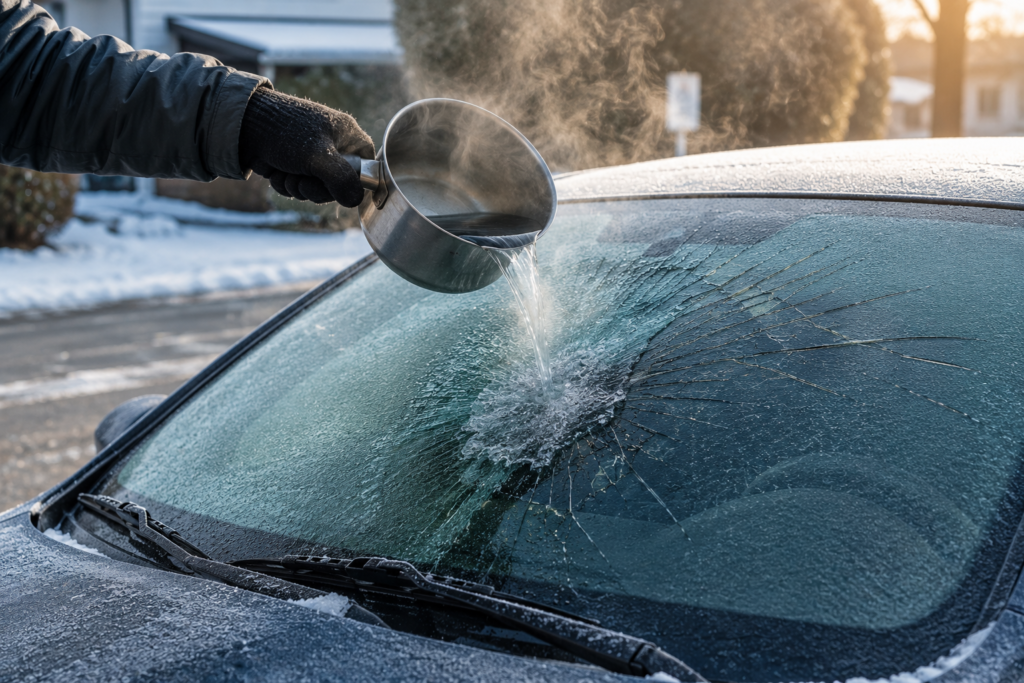
Winter weather adds another layer of urgency. Ice formation inside a chip creates outward pressure as it expands. Scraping ice off a windshield with an existing chip puts additional mechanical stress on the glass. Neither scenario helps a compromised windshield hold together.
The math is straightforward: a chip repaired promptly costs a fraction of what a full replacement runs. Waiting erases that advantage entirely.
Frequently Asked Questions
Why is Philadelphia Pike a high-risk zone for rock chips compared to other Delaware roads?
Philadelphia Pike carries heavy commercial truck traffic moving between major industrial and freight corridors. Trucks dislodge significantly more road debris than passenger vehicles, and they do so at a higher force. Combined with sections of worn pavement, frequent construction zones, and tight commuter traffic that limits following distance, the road creates consistently elevated conditions for windshield damage.
Can a small rock chip from highway debris spread if I ignore it during a Delaware winter?
Absolutely. Delaware winters create exactly the conditions that turn small chips into large cracks. Temperature fluctuations stress the glass repeatedly as it expands and contracts. Ice forming inside the chip adds outward pressure. Road vibrations from rough surfaces, such as Philadelphia Pike offers plenty, compound the damage over time. A chip that looks minor in October can easily become a crack requiring full replacement by January.
If I get a chip while driving on I-495 or Philadelphia Pike, can Starbright Auto Glass provide emergency mobile repair in Claymont?
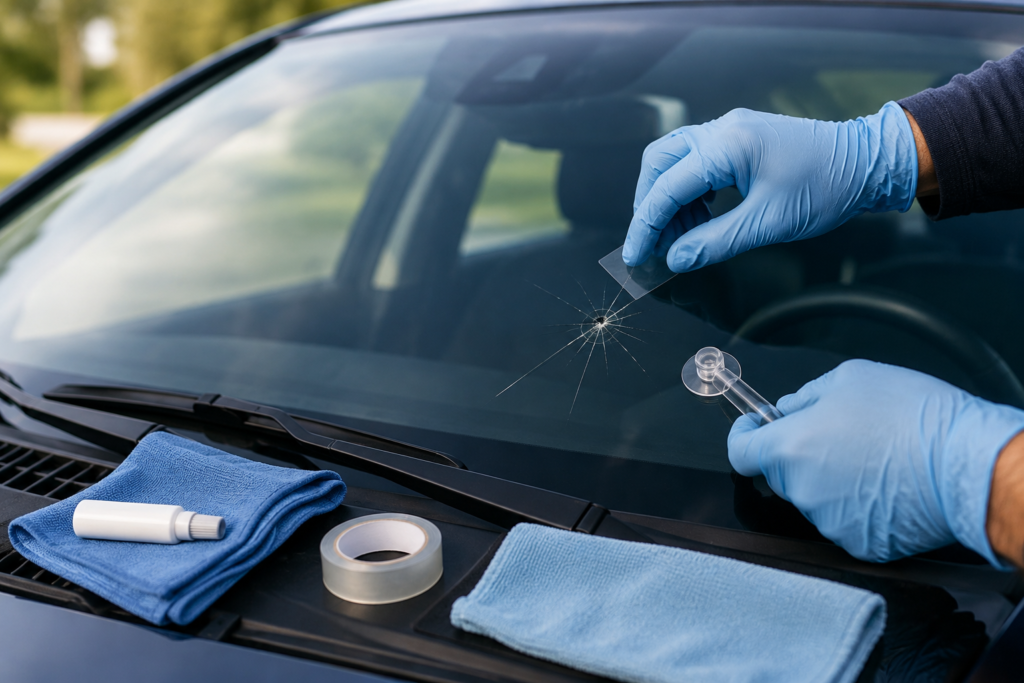
Yes. Starbright Auto Glass offers mobile repair services for drivers in Claymont and the surrounding area. If you pick up a chip on your commute along Philadelphia Pike or I-495, you don’t need to take time off or rearrange your schedule to get it fixed. Their team comes to you, assesses the damage, and handles chip repairs and windshield replacements on-site.
Parting Thoughts
Rock chips on Philadelphia Pike are common, but letting one go unaddressed is a choice that rarely ends well. Keep your following distance, watch road conditions, and check your windshield regularly. If a chip does show up, deal with it before Delaware winter turns a small problem into a much bigger one.