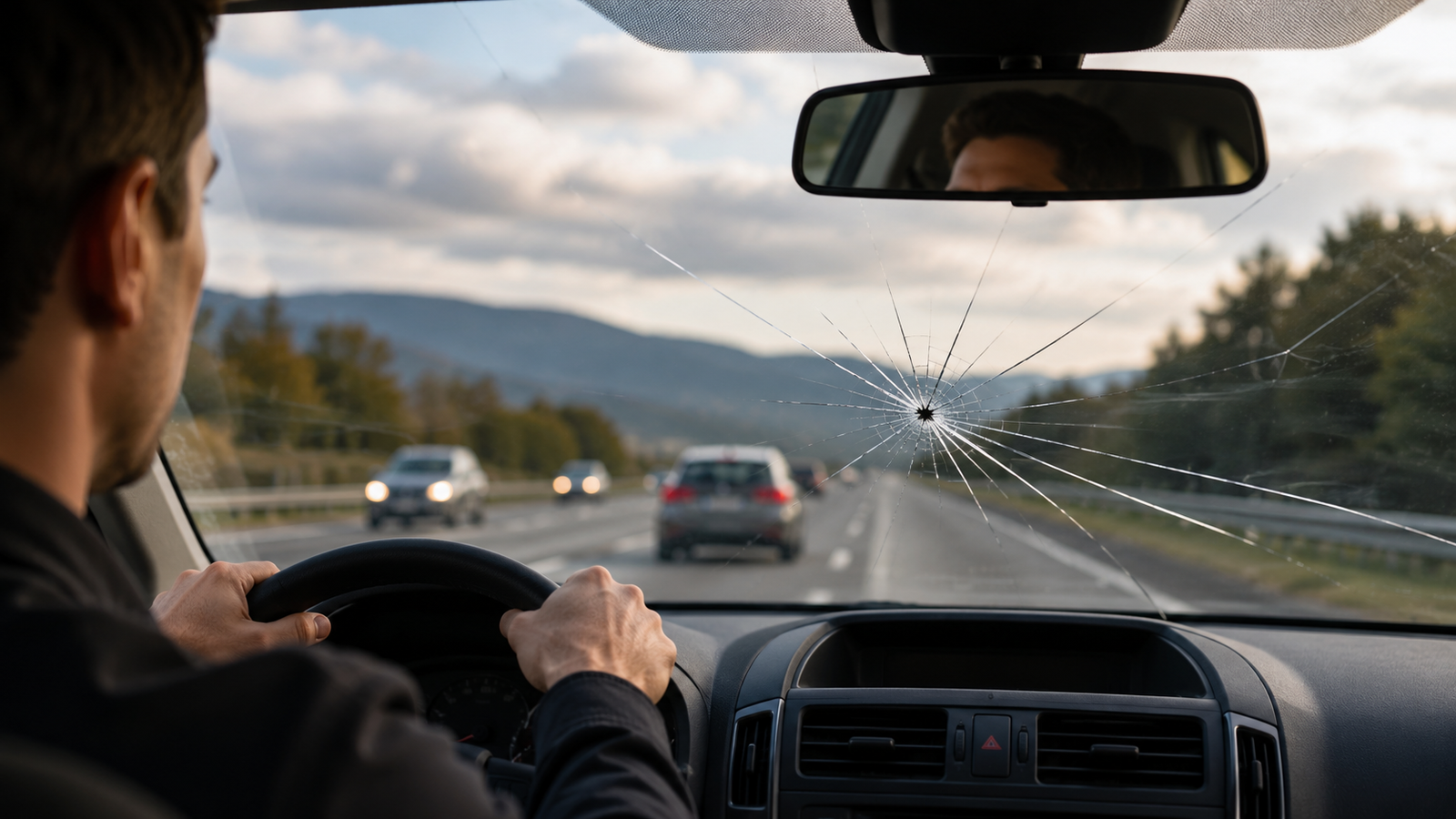
A cracked windshield rarely looks dangerous until the moment it actually fails. Most drivers see a small crack and assume it can wait.
That assumption causes more accidents and tickets than most people realize. This guide breaks down the real risks, the actual laws, and when windshield replacement becomes necessary.
What Causes Most Windshield Cracks?
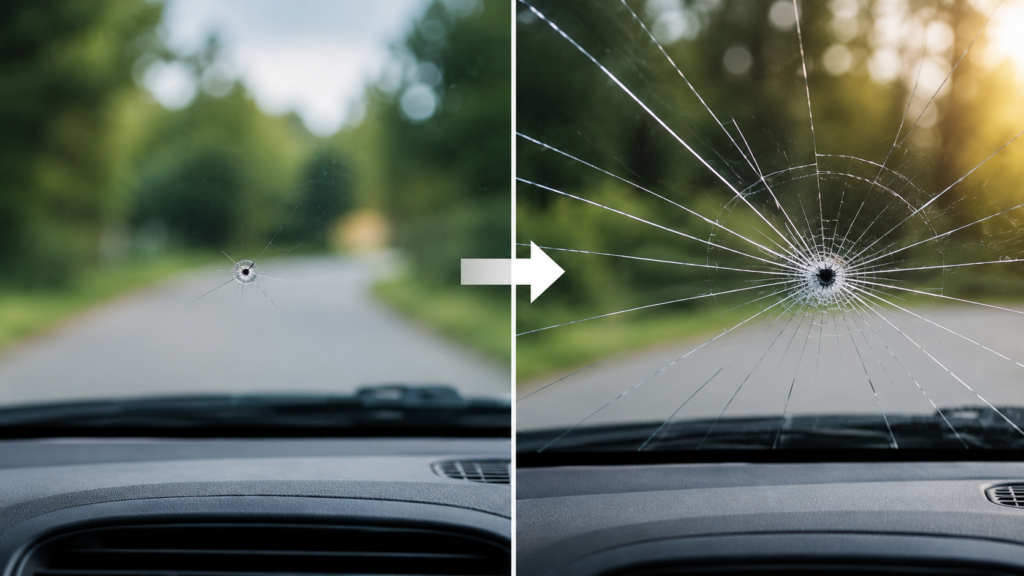
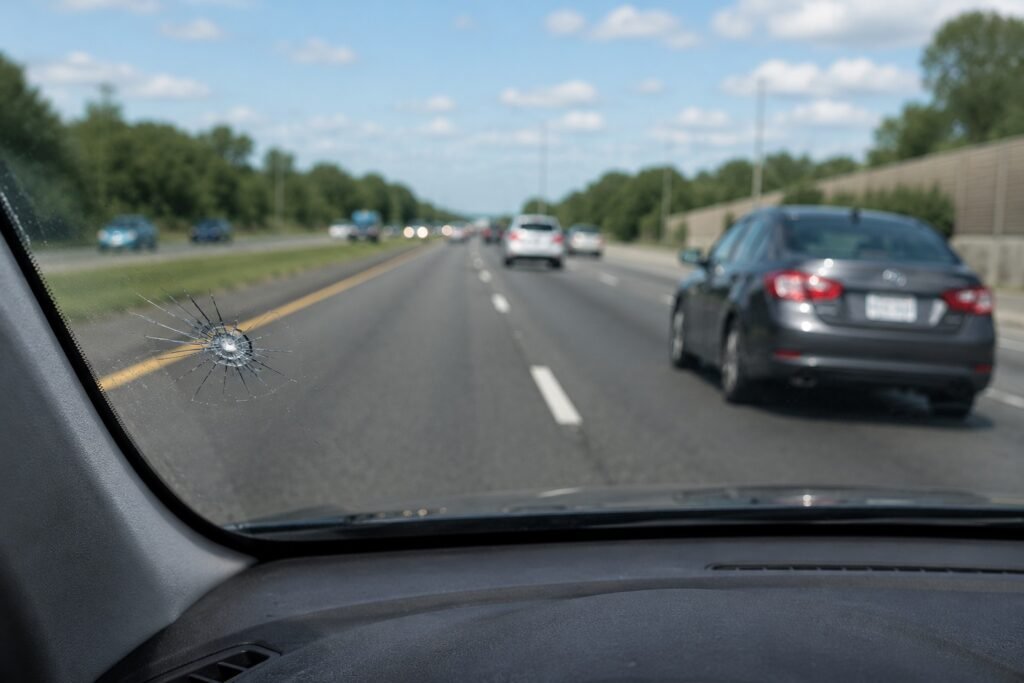
Most windshield damage starts with something small and ordinary. Loose gravel and road debris cause the majority of chips on highways. A single stone kicked up at highway speed can hit your glass with surprising force. Potholes and rough roads add stress, too, since sudden jolts flex the entire windshield.
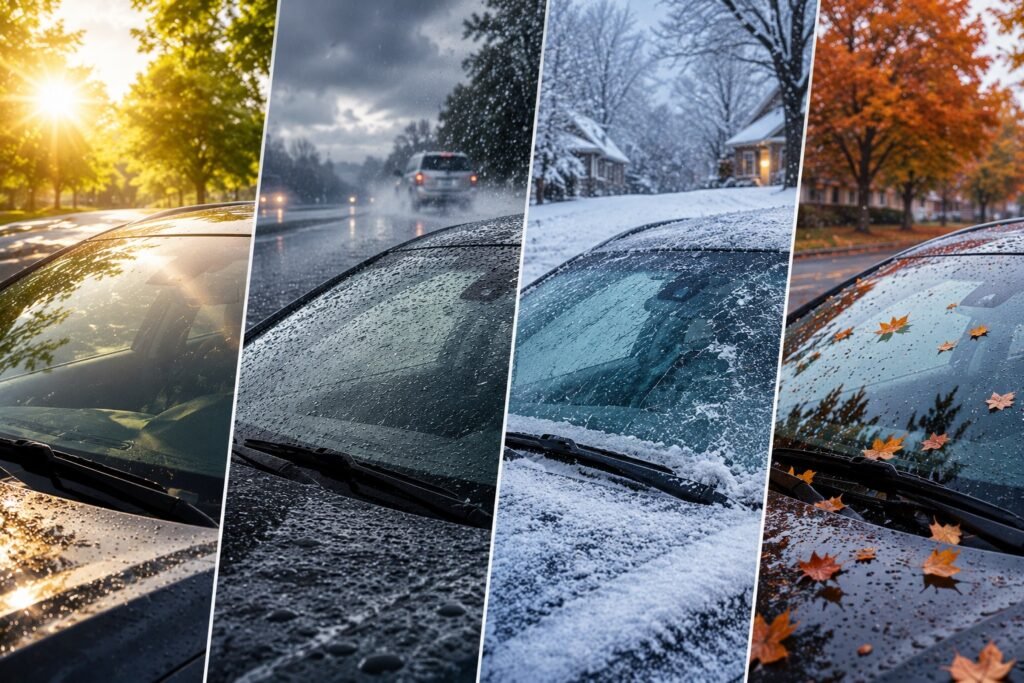
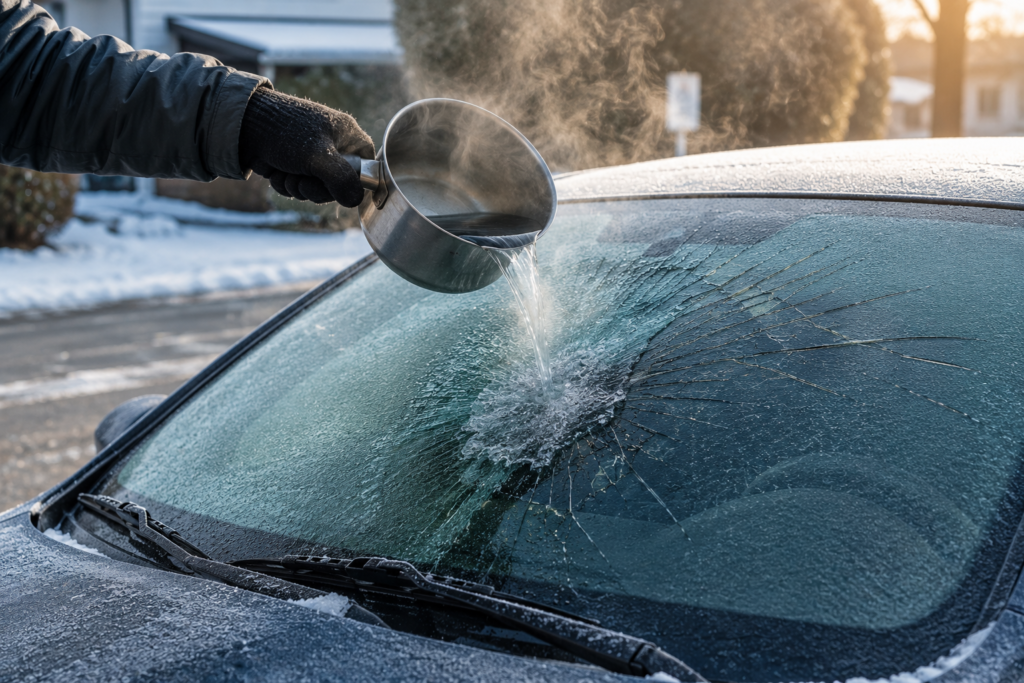
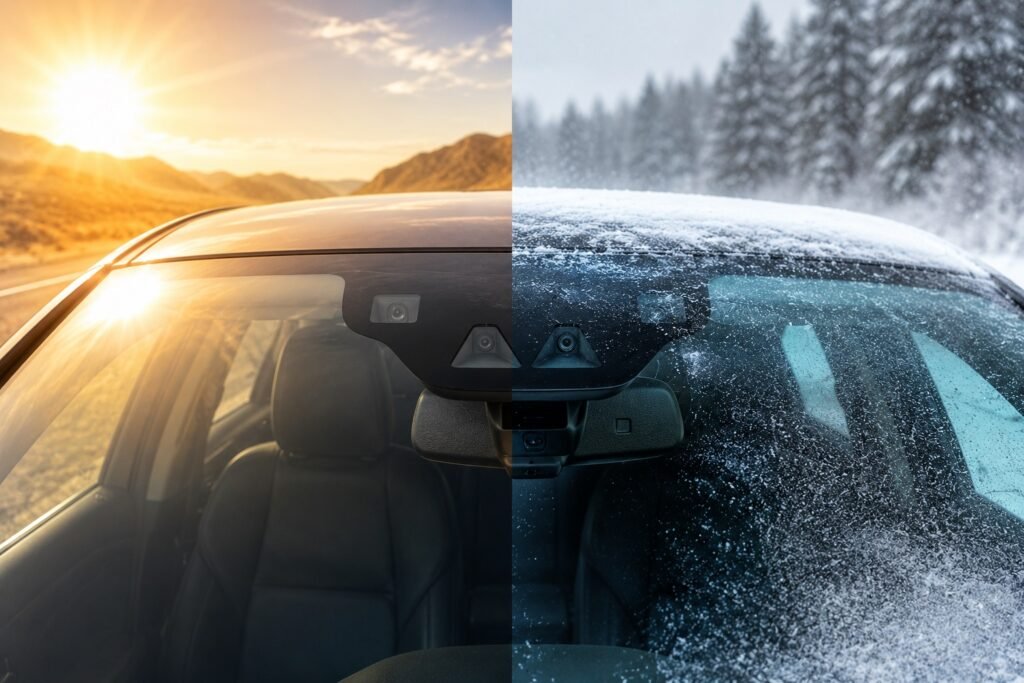
Extreme temperature swings cause just as much damage as flying debris. A sudden blast of hot air on a frozen windshield can crack the glass within seconds.
Also, a poor installation from a previous repair can leave hidden weak points behind. Knowing the cause helps you judge how fast a crack might spread.
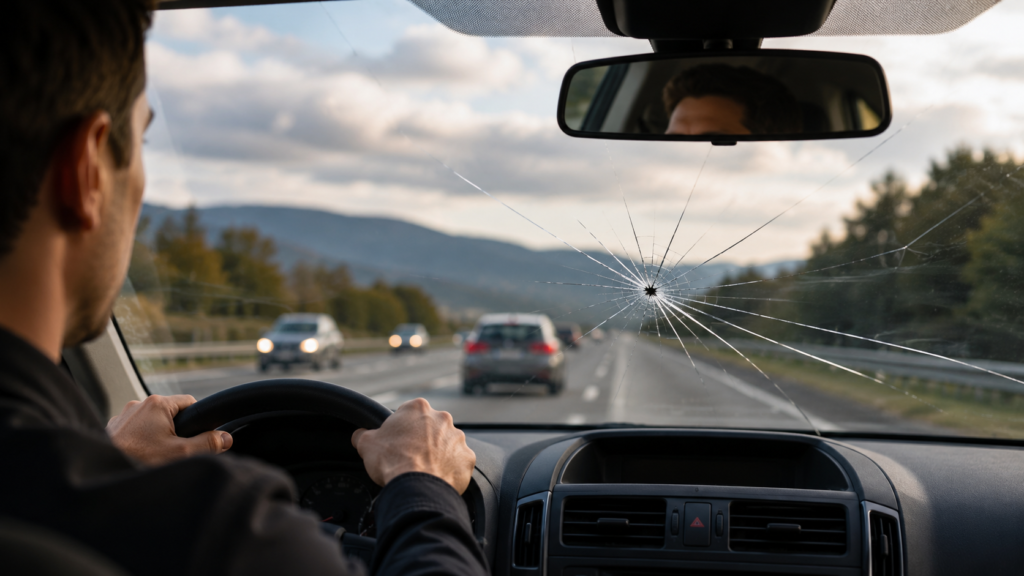
Why a Cracked Windshield Is More Dangerous Than It Looks?
A windshield does far more than block wind and rain. It also supports the structure of your entire vehicle.
Industry crash data shows your windshield provides up to 45 percent of a vehicle’s structural strength. In a rollover, that number climbs to nearly 60 percent. That strength keeps the roof from collapsing during a crash. A cracked windshield loses much of that strength immediately.
Airbags depend on this strength too. In many vehicles, the passenger airbag actually deploys off the windshield to reach the right angle. A weakened windshield can let that airbag deploy incorrectly or fail. On top of that, a damaged windshield raises ejection risk during a rollover accident.
Is It Actually Legal to Drive with a Cracked Windshield?
The honest answer is, it depends. Federal regulations set the baseline for every state. Under these rules, your direct line of sight cannot have a crack larger than three-quarters of an inch. Two intersecting cracks, or two cracks within three inches of each other, also break the rule.
States then add their own layers on top of these federal rules. Texas Transportation Code requires a clear, unobstructed view through your windshield. California treats the same issue under the Vehicle Code. Massachusetts goes further and ties the windshield condition directly to your annual inspection. New York allows a longer crack of up to 11 inches, but only outside your wiper sweep area. Florida law focuses mainly on whether the damage blocks your view, regardless of exact size.
So, while small chips near the edges often stay legal, anything blocking your view rarely does. That means officers have real discretion, and tickets vary widely by state and by officer.
How to Tell If You Need Windshield Repair or Windshield Replacement?
Not every crack means a full windshield replacement. Generally, chips smaller than a quarter and cracks under six inches qualify for repair. These repairs usually take less than an hour and cost far less than a replacement.
However, cracks longer than six inches almost always require windshield replacement. Damage that reaches the edge of the glass also forces a replacement, since edge cracks spread fast. Temperature swings make this worse. Heat and cold cause glass to expand and contract, turning a small chip into a long crack overnight. So, the safest move is repairing small damage the moment you notice it.
Why Modern Windshield Replacement Often Includes a Camera Recalibration?
Today’s vehicles add another layer that most drivers never consider. Back in 2016, only about one in four cars needed a camera recalibration after a windshield replacement. Now, nearly nine out of ten newer vehicles require it.
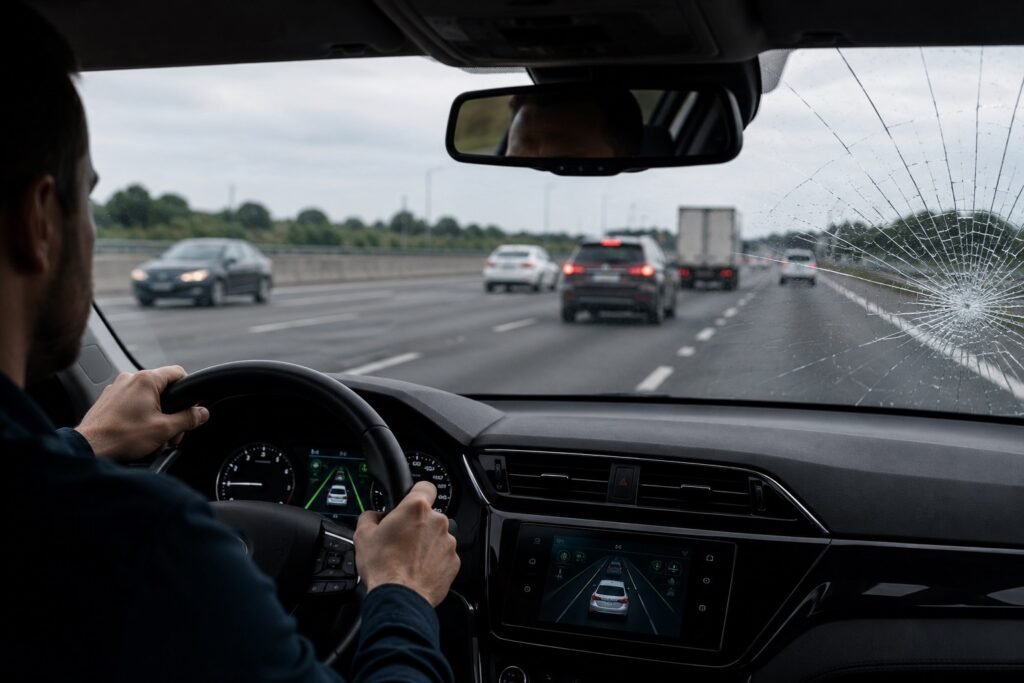
This is because forward-facing cameras behind your windshield power features like lane departure warning and automatic braking. These systems matter, as the feature can reduce crashes by up to 40 percent when properly calibrated.
Even a slight shift in glass thickness changes the camera’s exact viewing angle. Skipping this step can leave safety systems reacting late or not reacting at all. That is why a proper windshield replacement today usually includes calibration, not just new glass.
Why Glass Quality Matters for a Long-Lasting Windshield Replacement?
Not all replacement glass performs the same way. OEM glass matches your original windshield in thickness, curve, and clarity. Aftermarket glass can cost less, but quality varies widely between manufacturers. Cheaper glass sometimes causes calibration to fail, especially in vehicles with sensitive ADAS cameras.
A slightly different curve changes how light bends through the camera’s view. That small difference can throw off lane detection and distance sensors.
A reputable shop will explain your glass options clearly before any work begins. Always ask whether your windshield replacement includes OEM-quality glass and full calibration.
Final Thoughts
A cracked windshield is never just cosmetic. It weakens your car’s structure, threatens airbag performance, and can turn a routine drive into a legal headache. The smartest move is simple: address damage early instead of waiting for it to spread. A quick inspection from a trusted auto glass shop tells you what your windshield actually needs.
For drivers in need of a professional windshield replacement, Star Bright Auto Glass offers expert inspection and installation. Visit starbrightautoglass.com to schedule your windshield repair or replacement today.
Frequently Asked Questions
How long can I safely drive with a cracked windshield?
There is no universal safe timeline, since every crack behaves differently. Small chips outside your line of sight can sometimes last for months without spreading. However, any crack in your direct view should get attention within days, not weeks.
Does insurance typically cover windshield replacement?
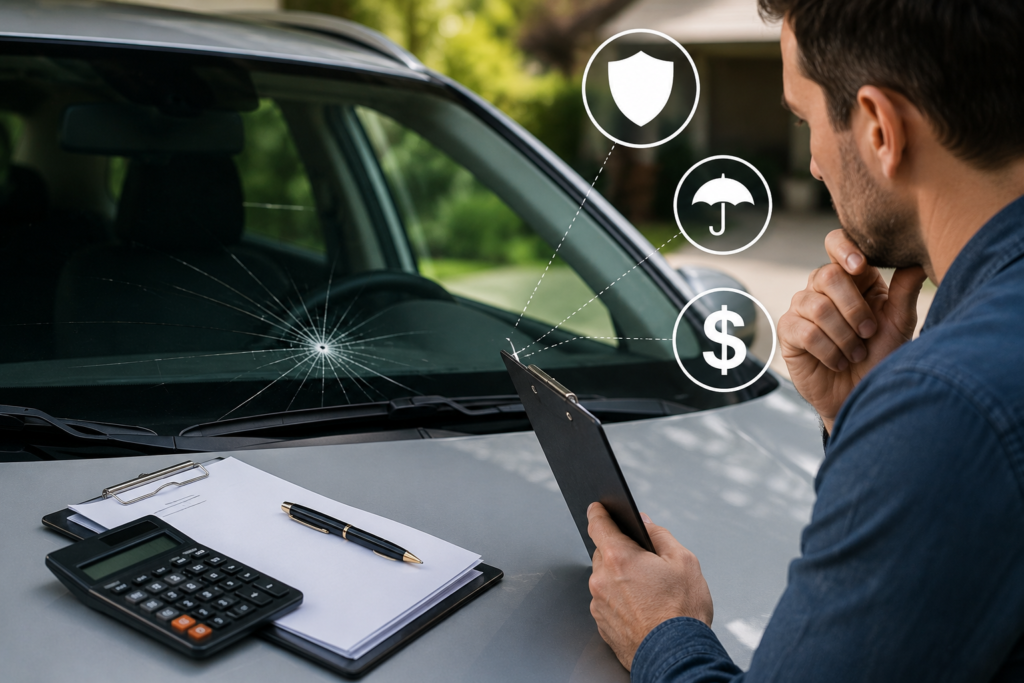
Most comprehensive auto insurance policies cover windshield replacement, though deductibles vary by state and insurer. A few states, including Florida and South Carolina, even offer zero-deductible glass coverage. Always check your specific policy before assuming the cost is fully covered.
Can I repair a small windshield crack myself?
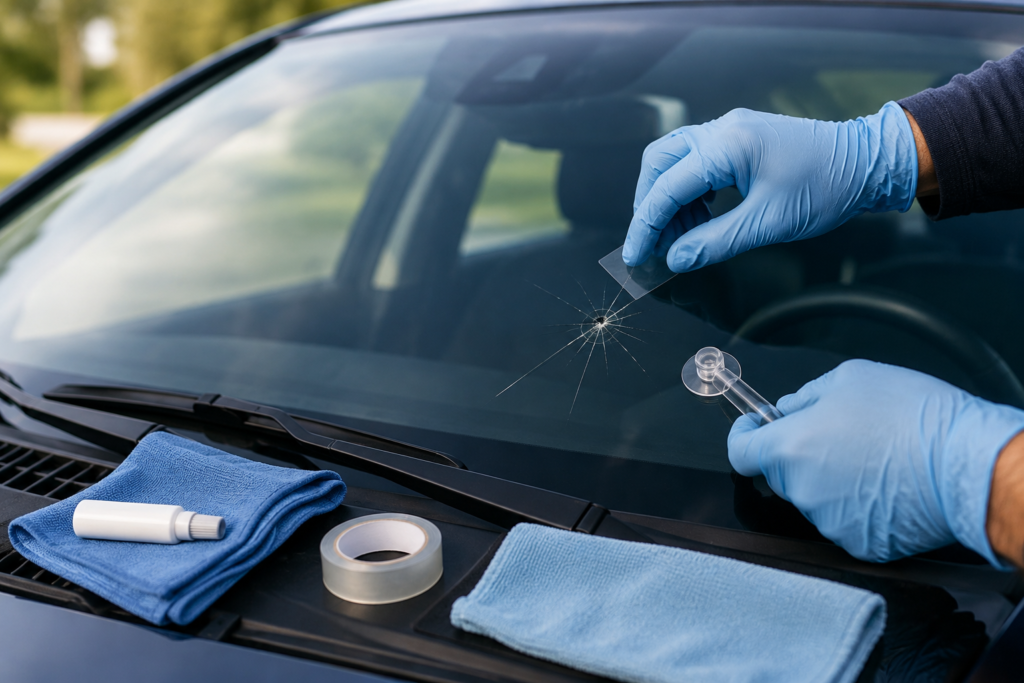
DIY repair kits exist, but they rarely match professional results. These kits often leave the glass slightly cloudy or structurally weaker than before. For anything beyond a tiny chip, a certified technician offers a safer, longer-lasting fix.